New York, USA
Location
For a little over a decade between the Stonewall riots and the onset of the AIDS epidemic, a handful of blocks on Manhattan’s lower west side became something close to a promised land for gay men. Photographer Stanley Stellar, a long-time chronicler of New York’s queer life, was there to capture it. A Brooklyn native who picked up a camera in 1976, Stellar turned almost immediately to his own community: the West Village, Christopher Street and the abandoned Hudson River piers, where sunbathing, cruising, friendship and sex unfolded in full public view. Moving between spontaneous street photography and more deliberately staged studio portraiture, Stellar's work is united by its candour, an unguarded attentiveness to bodies, expressions and gestures that holds sexual charge and sensuality alongside affection, vulnerability and tenderness.
Published by Loose Joints and edited by Jordan Hancock, Don’t Worry Boys revisits this period across 100 photographs spanning the mid-1970s to the mid-1990s. Lusty, joyful and ultimately heartbreaking, Stellar's monograph is at once a portrait of a place, a record of a brief and hard-won freedom, and a memorial to a lost generation.
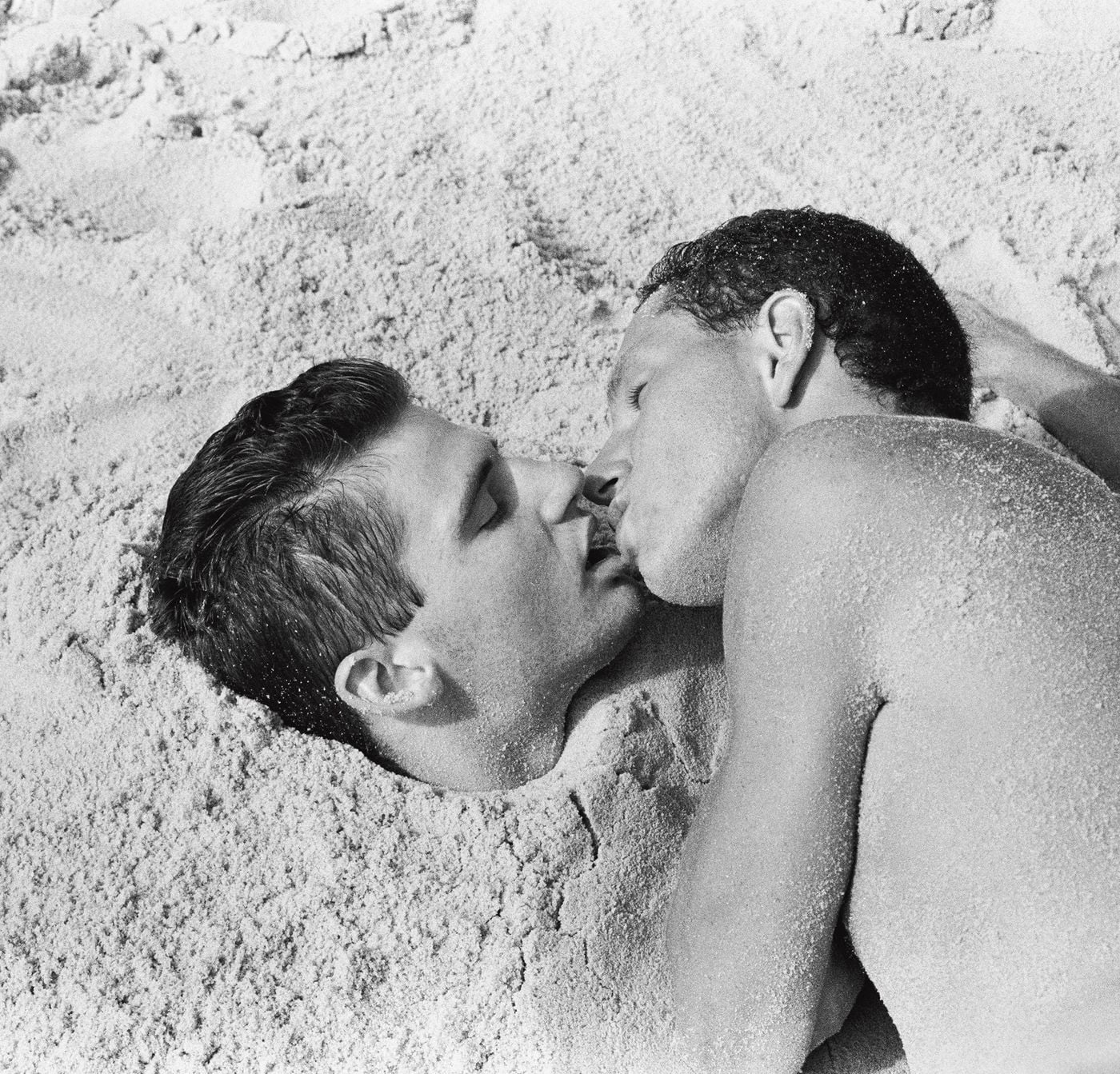
Cherry Grove Kiss, 1990. Photography © Stanley Stellar 2026. Courtesy Loose Joints.

Photography © Stanley Stellar 2026. Courtesy Loose Joints.
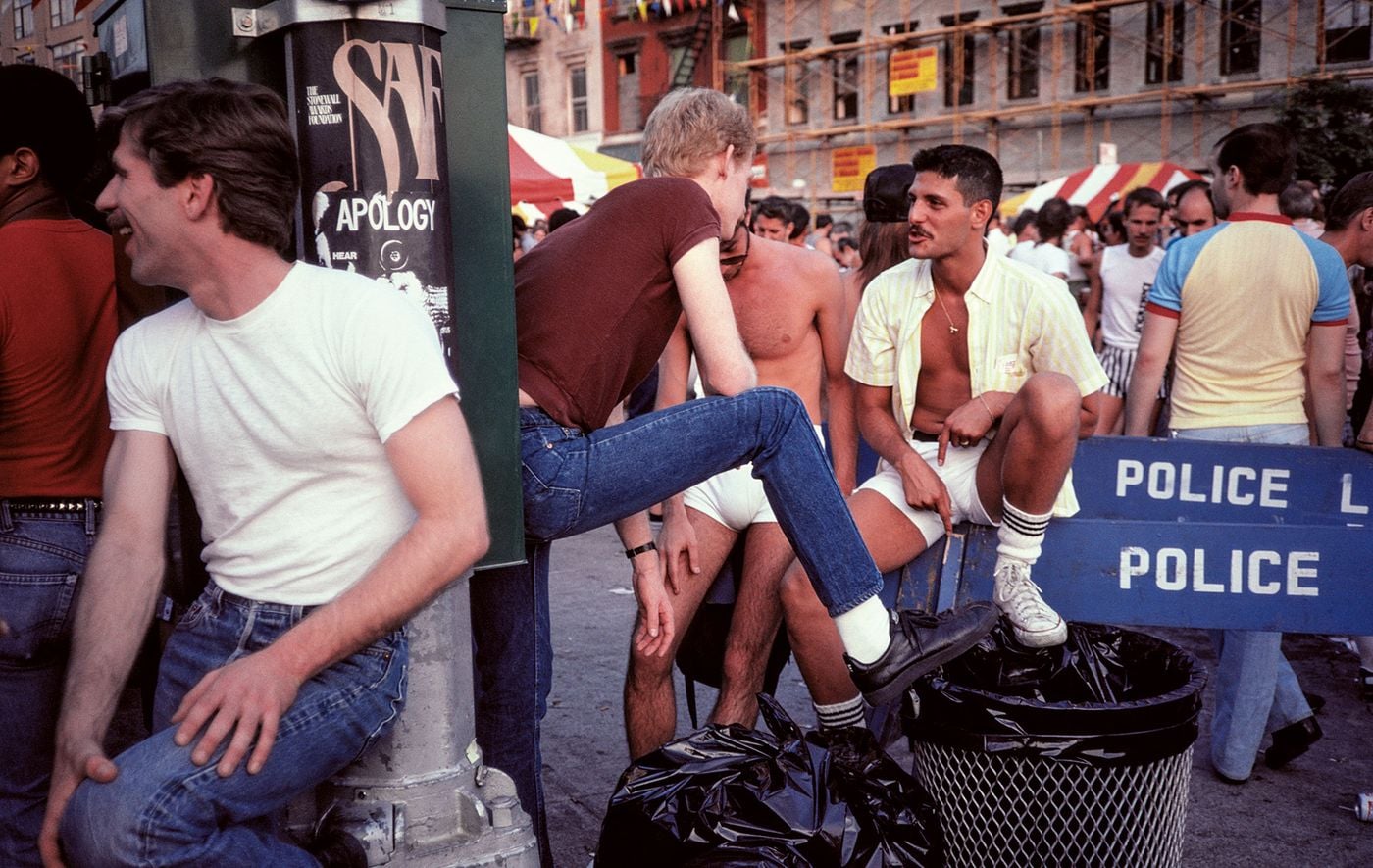
Gay Pride Day, 1983. Photography © Stanley Stellar 2026. Courtesy Loose Joints.
Stellar’s photographs are unapologetically sexual, depicting naked bodies, harnesses, men frolicking and having sex in broad daylight, but they are just as attentive to the ordinary textures of gay life: friends lingering on pavements, couples kissing, men killing time, posing, flirting or simply looking back at the camera. In his essay for the book, novelist Andrew Holleran recalls first encountering Stellar’s photographs in Christopher Street magazine and the New York Native, describing them as “the street’s answer to Robert Mapplethorpe”. Riotous and tender in the same breath, they refuse to separate pleasure from vulnerability.
That tension becomes especially acute in Stellar’s studio portraits from the AIDS years. Set against the blue wall that became his signature backdrop, and which inspired the colour of the book’s spine, the images are direct, intimate and disarming. “Stanley Stellar has a gift for recording the expression on a human face,” Holleran points out. Hancock, who spent a year combing through thousands of images with the photographer, recalls Stellar refusing an otherwise compelling picture because the subject, a friend who had died, did not look his best. It is a small gesture that reveals something essential about Stellar’s approach to his subjects: however frank the image, it is grounded in affection.
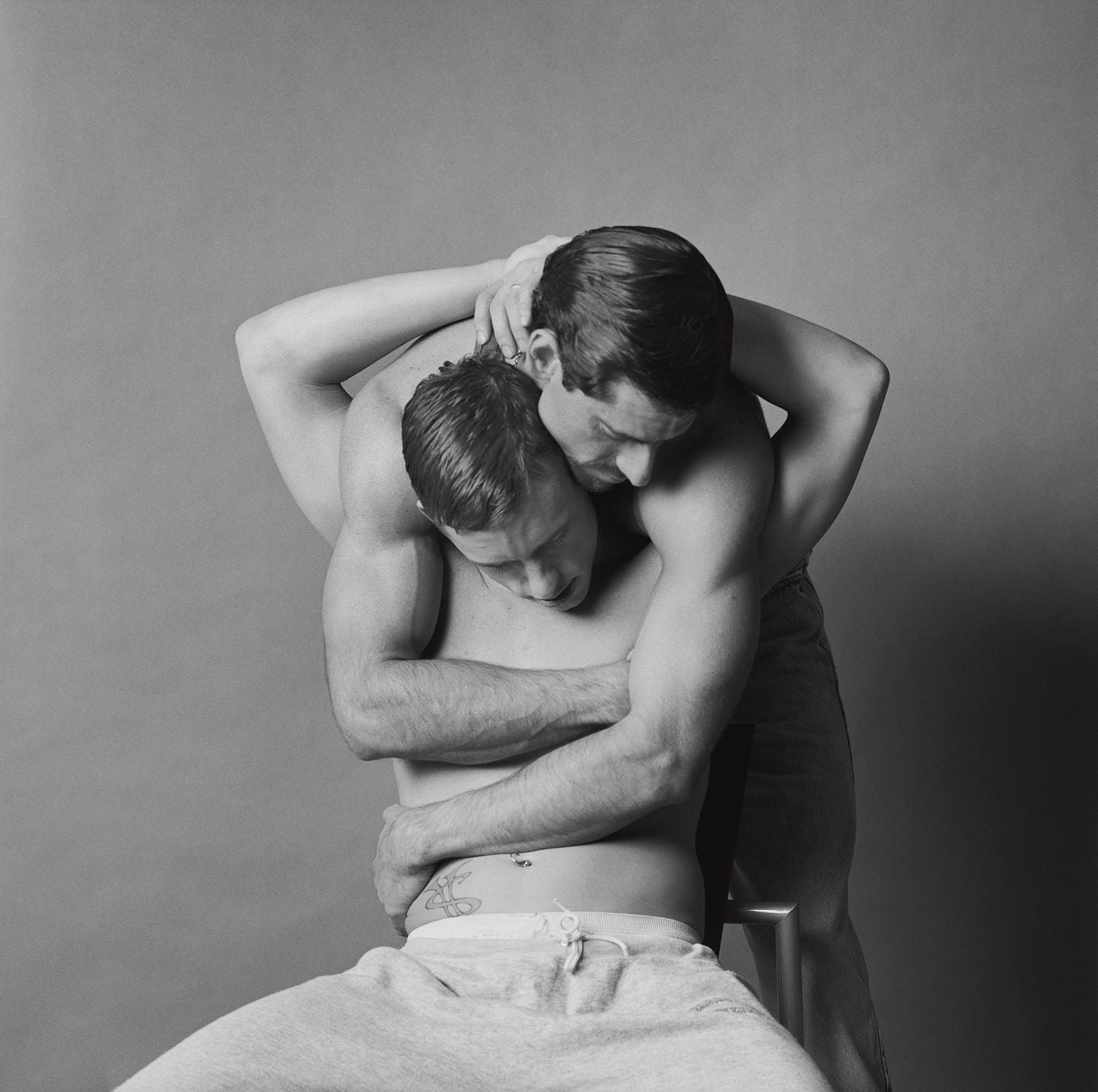
Bruce holds Chad, NYC, 1995. Photography © Stanley Stellar 2026. Courtesy Loose Joints.

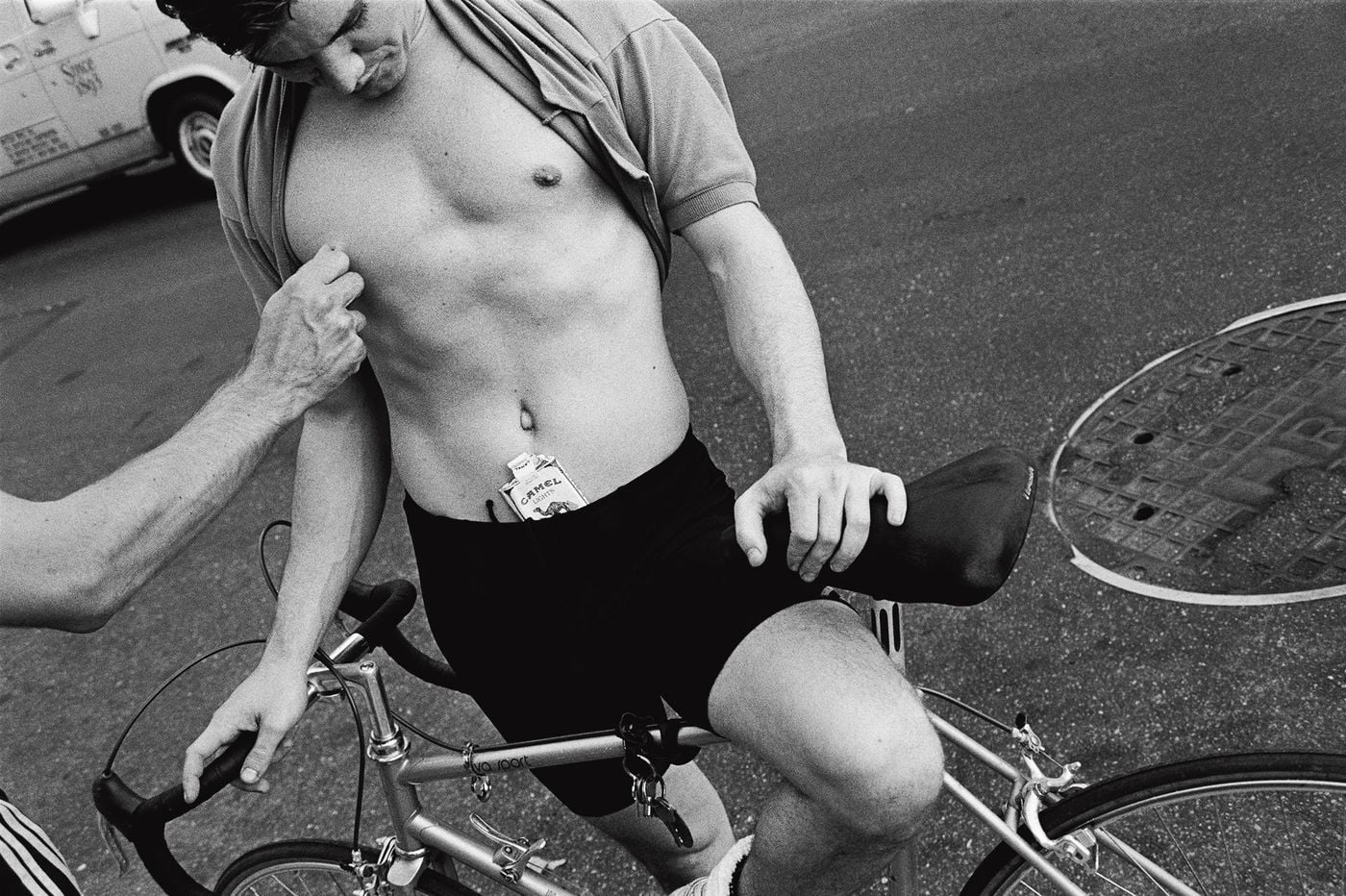
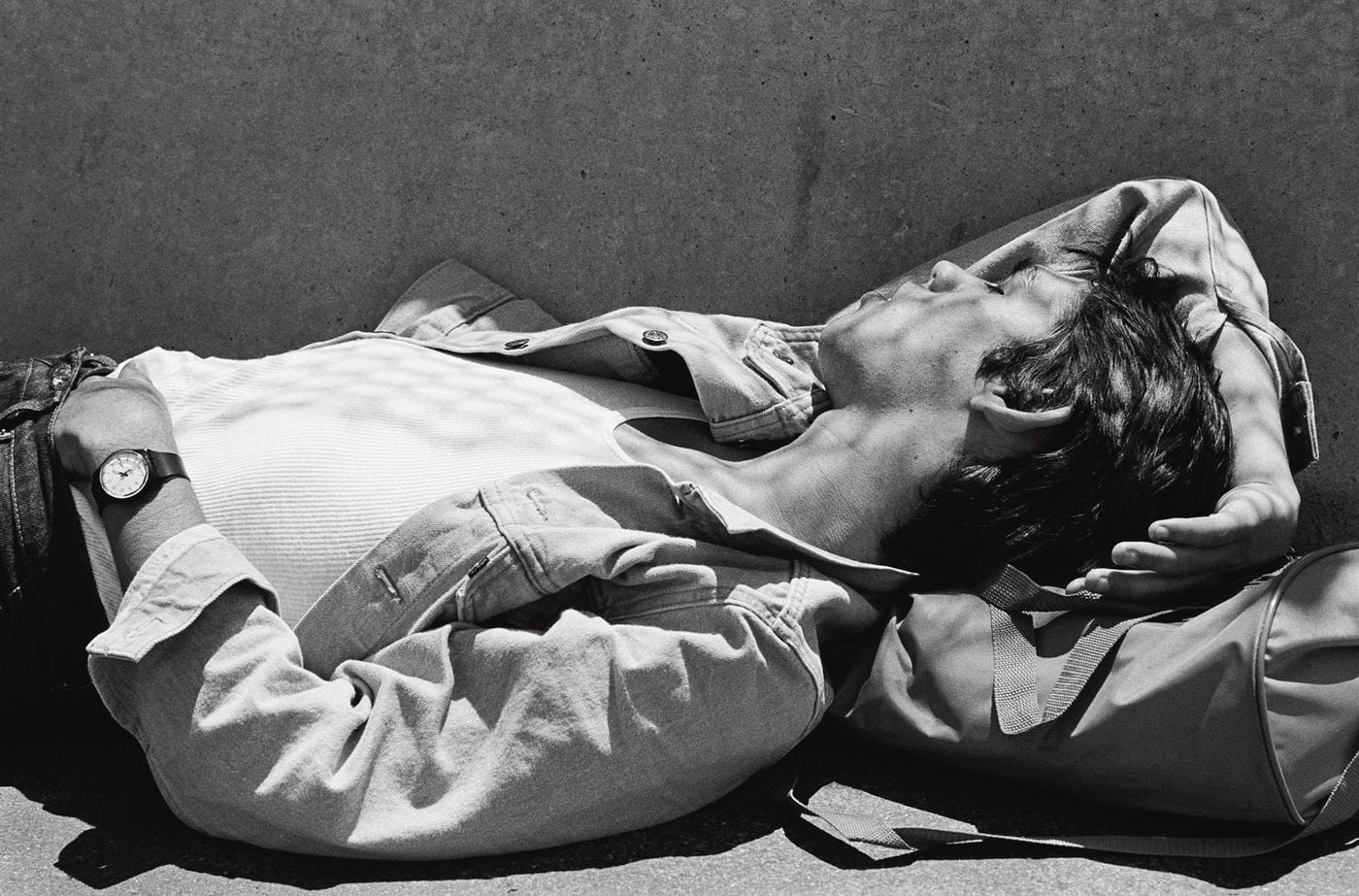
Sunday Afternoon in June, 1988. Photography © Stanley Stellar 2026. Courtesy Loose Joints.
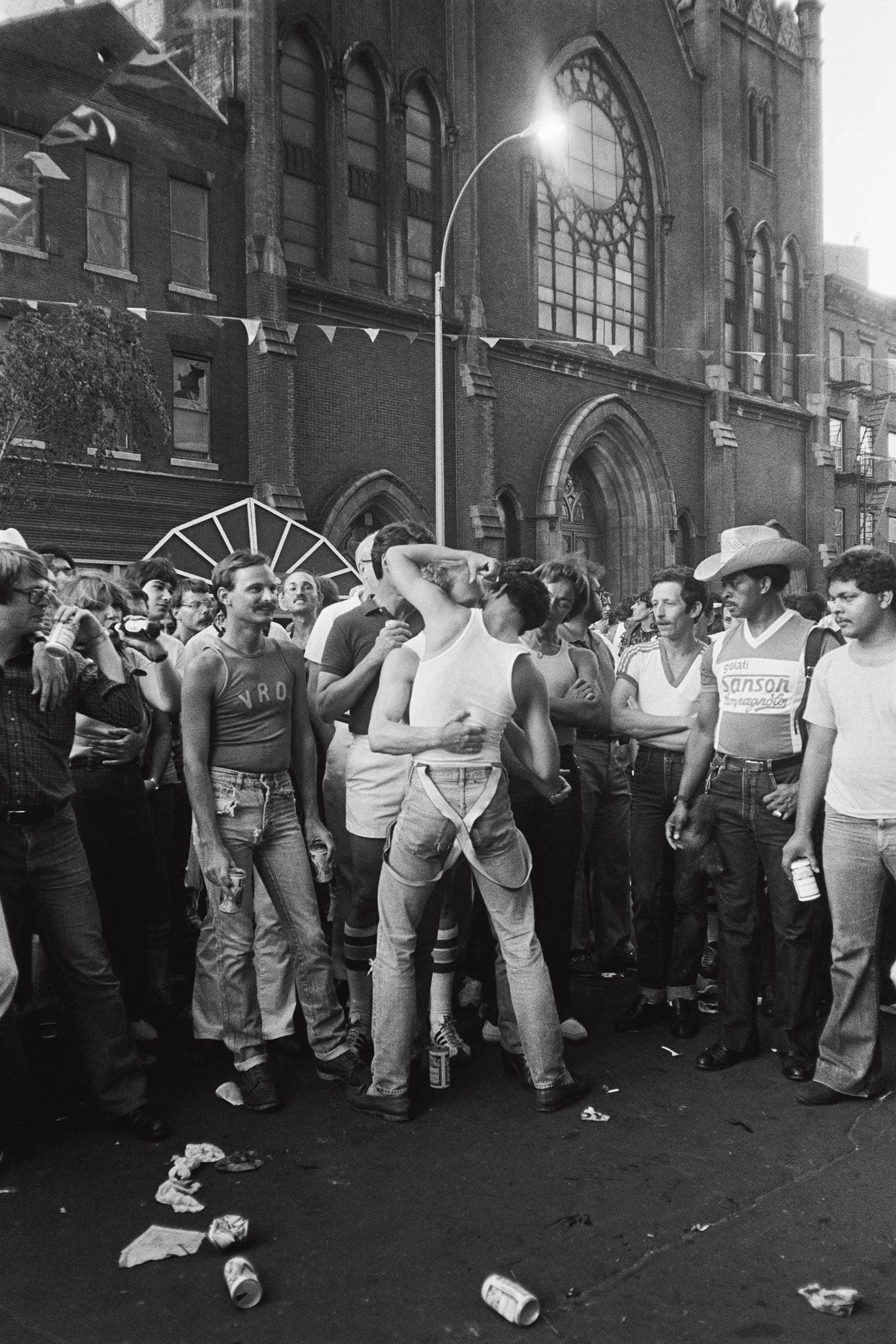
Gay Pride Day Kissing in Front of St Veronica’s Church, 1981. Photography © Stanley Stellar 2026. Courtesy Loose Joints.
Seen historically, the photographs document a brief window when gay men, at least in the West Village, felt free to live and love as themselves and had every reason to believe that things could and would get better. They are also a memorial to a lost generation: of the hundreds of men who sat for Stellar’s studio portraits, many did not live to see effective HIV treatment.
Yet Stellar’s work matters for more than what it preserves. Hancock writes movingly about a photograph of two men embracing on a West Village pavement on Pride Day 1981 that he keeps as his phone’s wallpaper. Such images remind us that visibility is not merely symbolic; public displays of affection can both advance rights and nurture acceptance. Seeing people live, touch and love openly can enlarge another person’s sense of what is possible.
Perhaps that is why the photographs feel unexpectedly radical today. In an era saturated with explicit imagery, their sexuality no longer shocks; what startles instead is the men's insouciance. Set against the endless stream of posed, filtered and carefully stylised portraits on social media, these men barely seem to be performing for the camera at all.
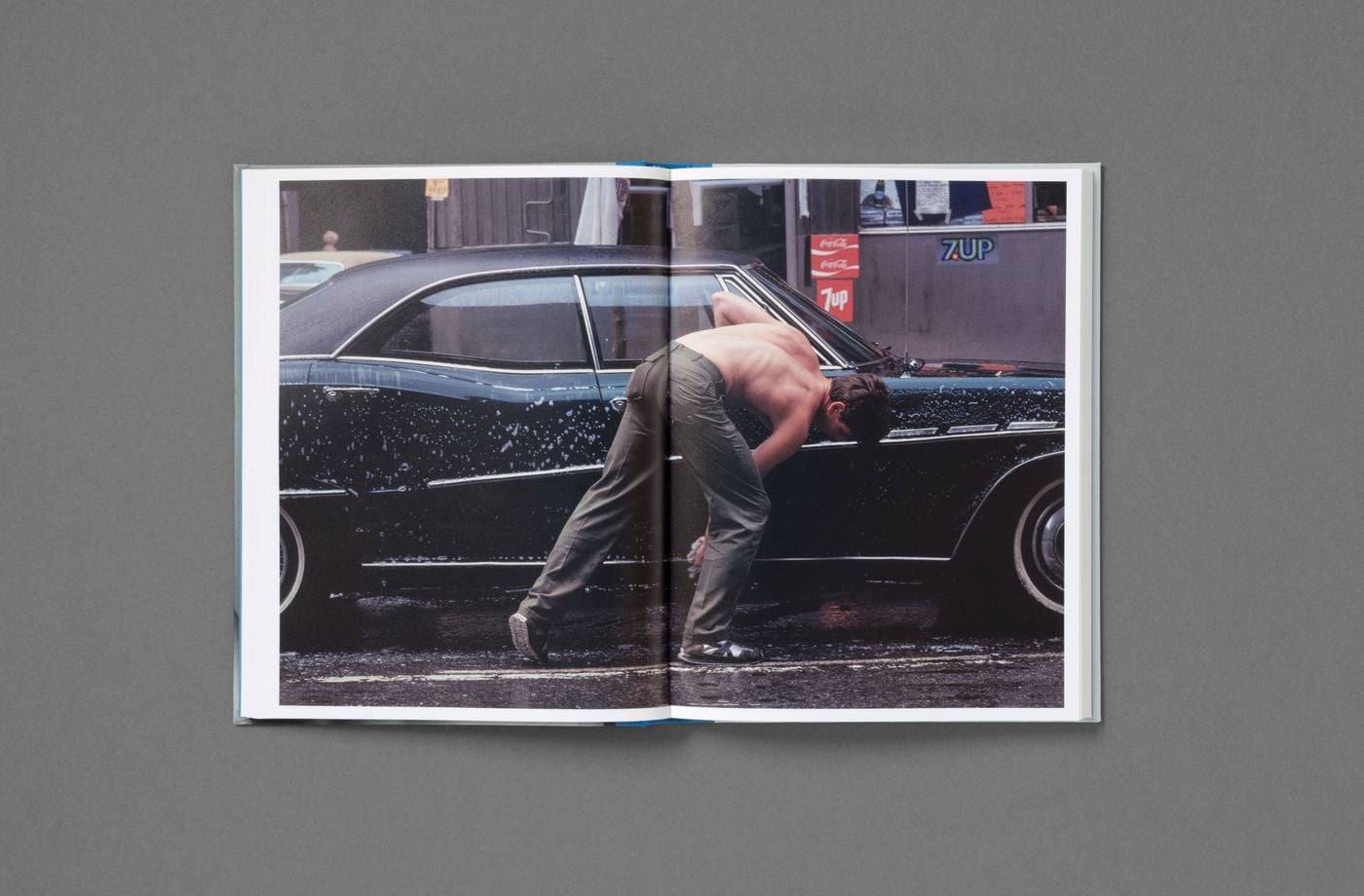


Photography © Stanley Stellar 2026. Courtesy Loose Joints.
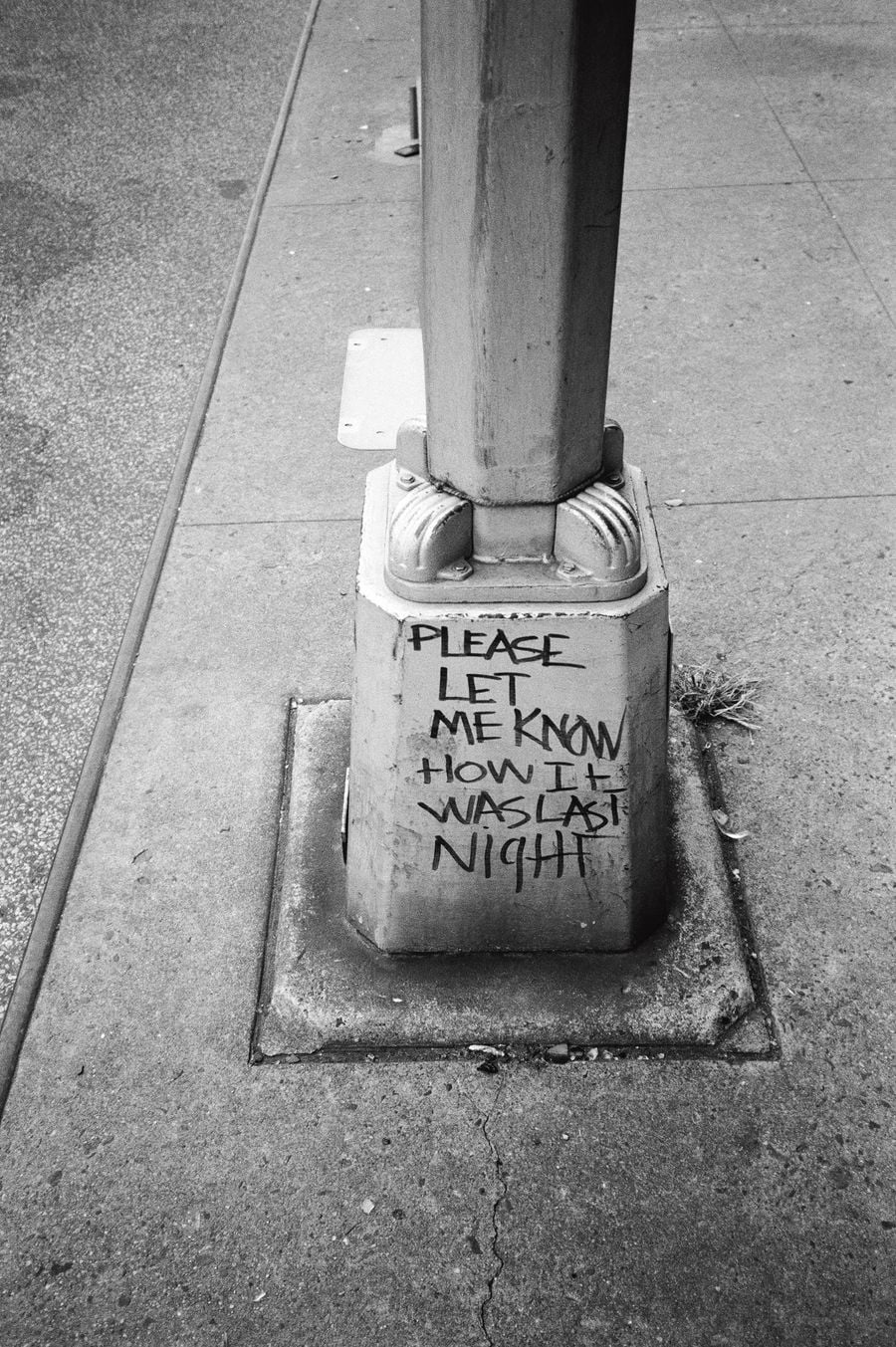
Please Let Me Know, 1981. Photography © Stanley Stellar 2026. Courtesy Loose Joints.
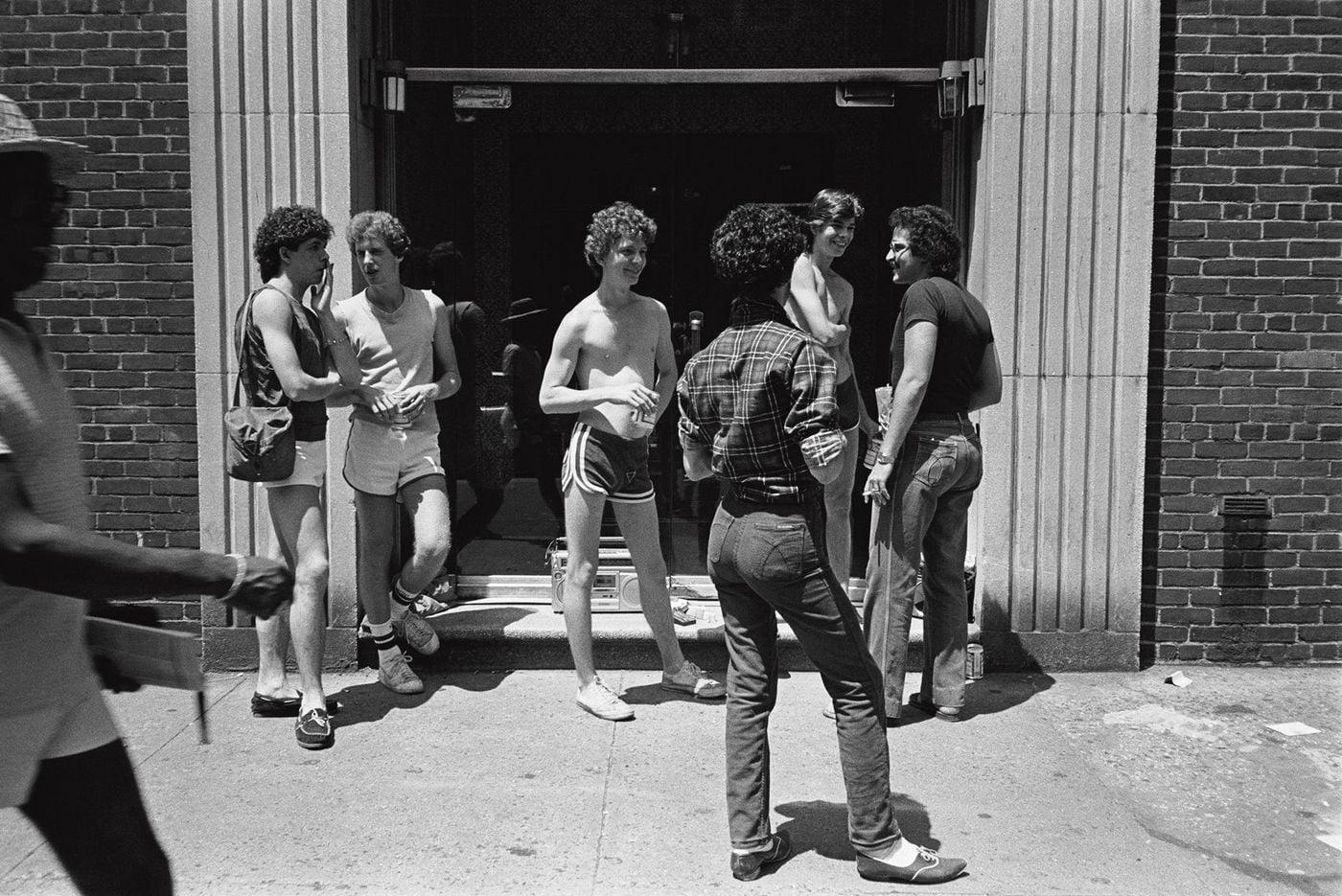
Into The Light, 1981. Photography © Stanley Stellar 2026. Courtesy Loose Joints.
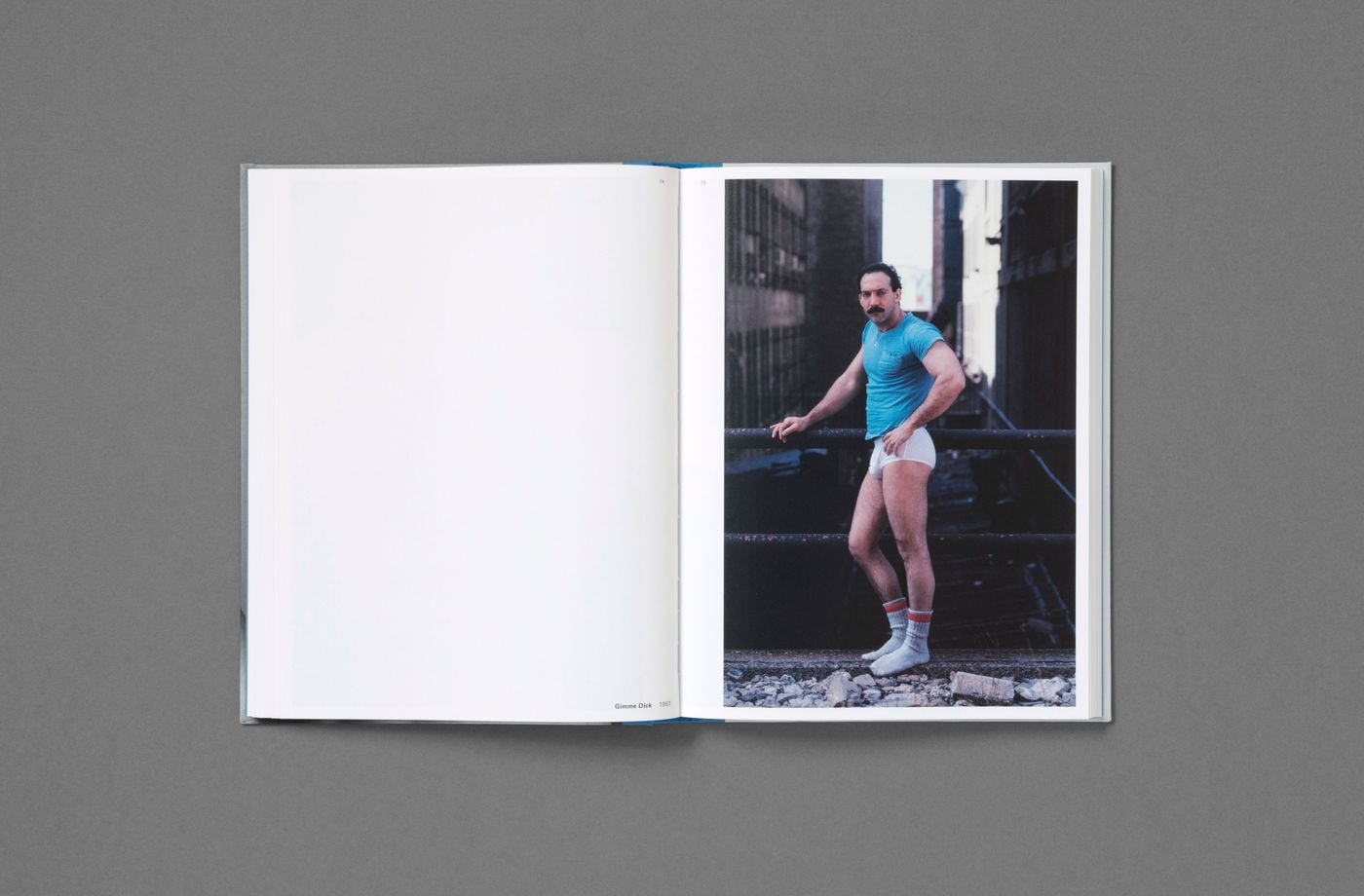
Photography © Stanley Stellar 2026. Courtesy Loose Joints.
Taking its name from the “Don’t Worry Boys Social Club”, a watering hole whose membership card from the late 1960s or early 1970s was one of the first things Stellar showed Hancock, the book captures a fleeting world in which, for a moment, not worrying seemed possible. It is a state of mind that can feel almost unimaginable amid today’s overlapping crises, yet the photographs preserve the proof that such freedom once existed and, perhaps more importantly, that it could exist again.
Don’t Worry Boys by Stanley Stellar is published by Loose Joints.

Photography © Stanley Stellar 2026. Courtesy Loose Joints.